

PRESS RELEASE (24/09/2015)
Friday, September 25, a Loano, curtain will rise on the 11th edition of the City of Loano National Award for Italian Traditional Music, organized by the’Society of the Curious Association in collaboration with the’Department of Tourism and Culture of the City of Loano, with contributions from the A. Foundation De Mari and the sponsorship of the Liguria Region,of the’ANCI and the MEI.
The City of Loano National Award for Italian Traditional Music,under the artistic direction of John Vignola, promotes and enhances the contemporary production of traditional music with Italian roots. The festival, will again this year be a journey to discover the many musical realities that have recovered and reinterpreted traditional Italian music.
It will get into the thick of the program, at 6 p.m., in the Civic Library, with the presentation of the book “Lou Dalfin - Life and Miracles of Occitan Music Smugglers” (2015, Fausta Publisher) by. Paolo Ferrari (La Stampa journalist and music critic). Lou Dalfin, this year was awarded by the management and organization the Cultural Reality Award 2015, with the following reasoning: “A Lou Dalfin for a journey, more than 30 years, in which Occitan music has become common territory and known throughout Italy and beyond. Without losing their identity or connection to their roots, Sergio Berardo's Lou Dalfin have succeeded in reviving historical repertoires, triggering contemporary and adventurous collaborations, even outside strictly traditional music, and demonstrating how languages like theirs can be contemporary and alive.” The award will be presented in the evening, in Palazzo Doria, at 21.15.
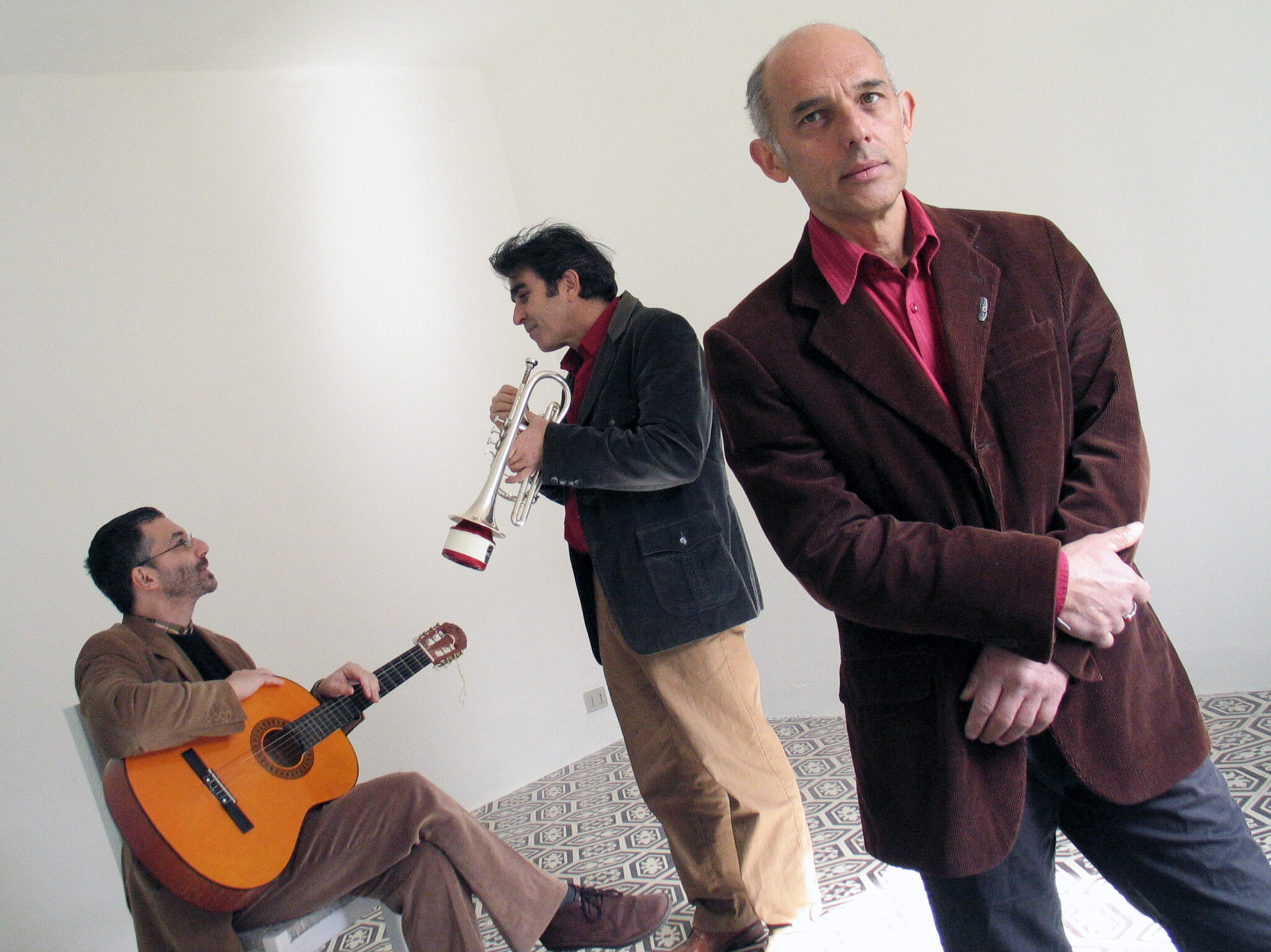
After the award ceremony, the evening will continue, again in Doria Palace, with a concert by one of the greatest interpreters of the Provençal troubadour tradition, French singer Renat Seven together with the Sardinian duo Elva Lutza (Nico Casu e Gianluca Dessì).The comparison between these artists resulted in the musical project “Amada”, which also became a record, bringing together the richness of the musical repertoires of Provence and Sardinia.
Renat Sette and Elva Lutza will immerse audiences in traditional songs from these two lands through reworking, improvisation and a taste that clothes these tracks with a surprising contemporaneity. The Traditional singing will meet jazz improvisation: love songs and ballads about war will dance along with Sardinian and Occitan sacred songs, sound entertainments will alternate with serenades.
A shared passion for folk music, attended for over two decades as musicians, scholars and enthusiasts, led to the meeting between Nico Casu, trumpeter and singer (former collaborator with, among others, Daniele Sepe, Nuova Compagnia di Canto Popolare and Roberto de Simone) and Gianluca Dessì, a guitarist with various experiences in the ethno-folk field and originated the Elva Lutza. The result of the mixture between two musicians so different in experience and approach is a true journey into the traditional music of various regions of Europe (the Balkans and Sardinia in primis, but also southern Italy and the British Isles); the spirit is certainly not that of revival, or simple reproposal, but a reworking in which jazz, contemporary music and popular music find themselves to be “in-laws” and give life to an absolutely original performance where the Romanian doina, the ballu tundu, the Breton gavotte and a thousand other musical inputs can coexist, including, of course, improvisation.
His warm and powerful voice, great experience on stage and important work in oral broadcasting make Renat Seven one of the most recognized figures in Provençal folk song and the Occitan tradition in general. A singer from Haute Provence, perhaps the most charismatic of the revival exponents of Provençal music, Sette is known for his a cappella performances and collaborations with musical groups from Mediterranean countries. His discography covers genres ranging from traditional to folk revival to world music and songwriting. Born in Nice, Renat Sette grew up in the culture and language typical of the inland areas of the Province of Nice.