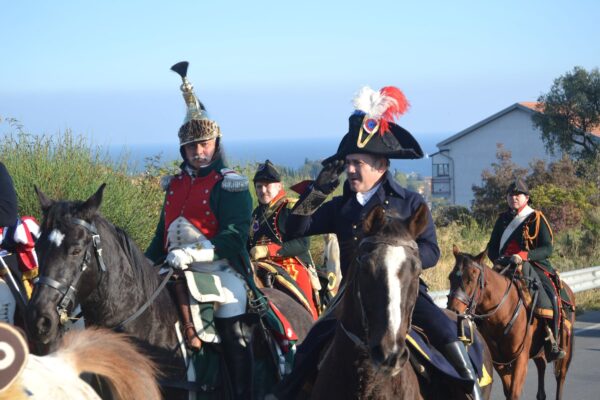
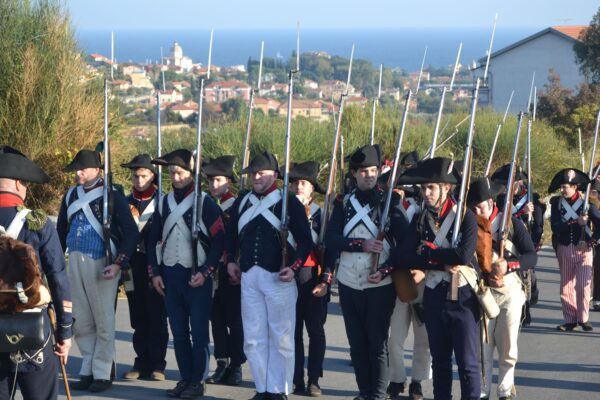
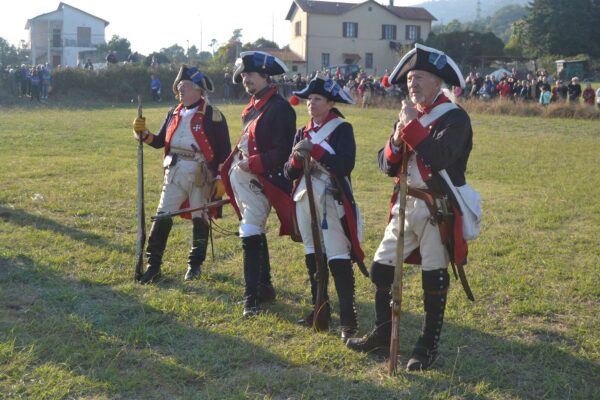
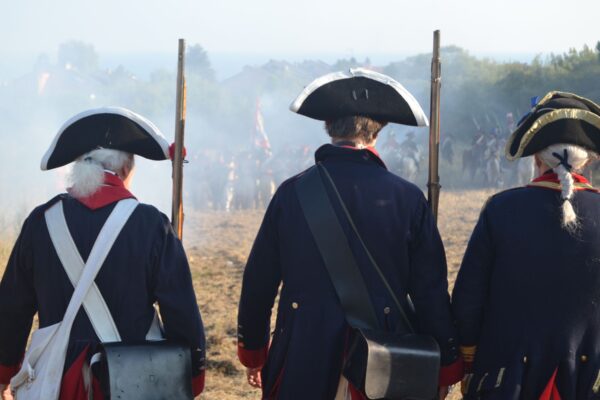
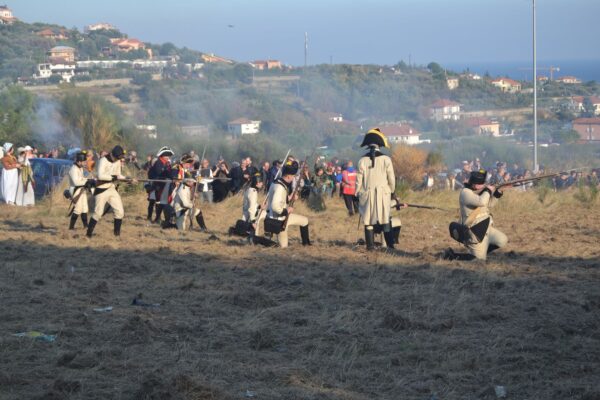
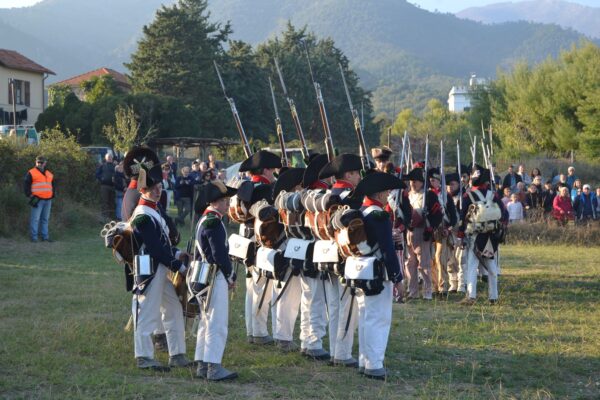
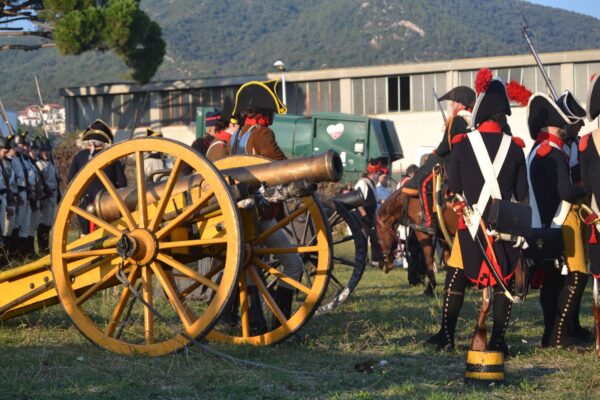
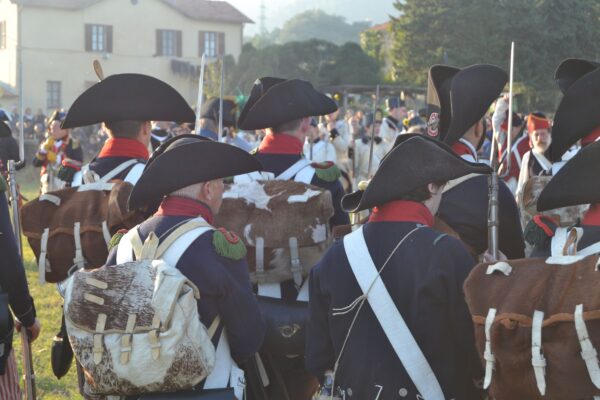
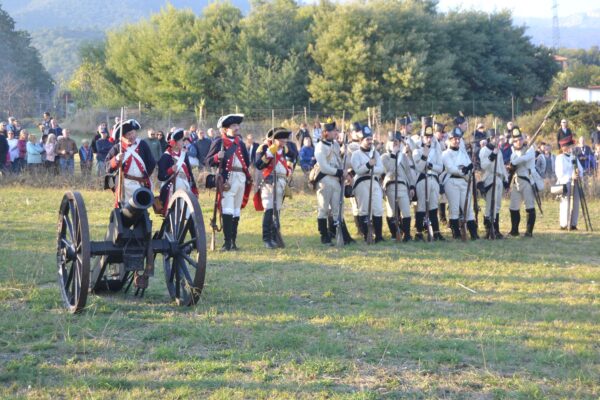
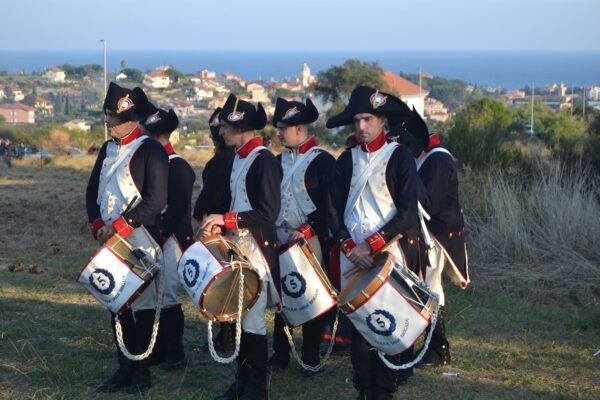
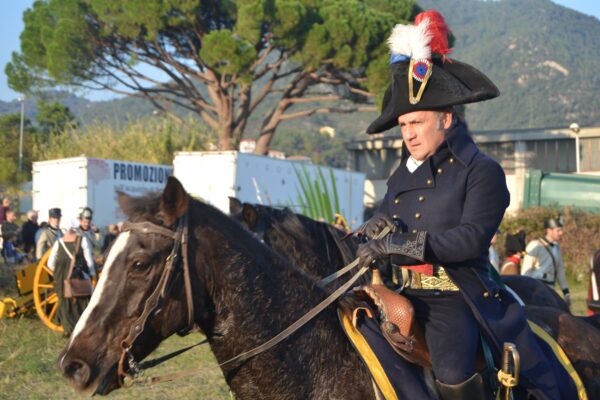
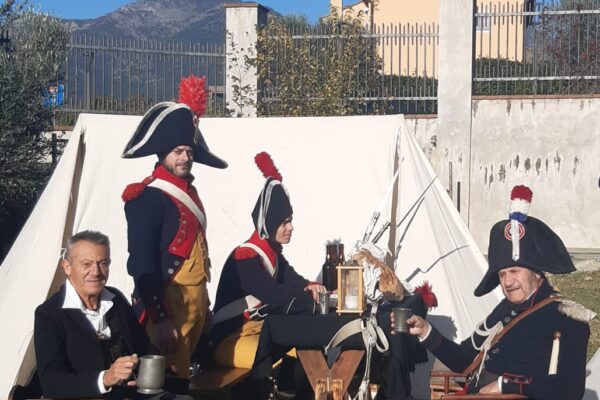
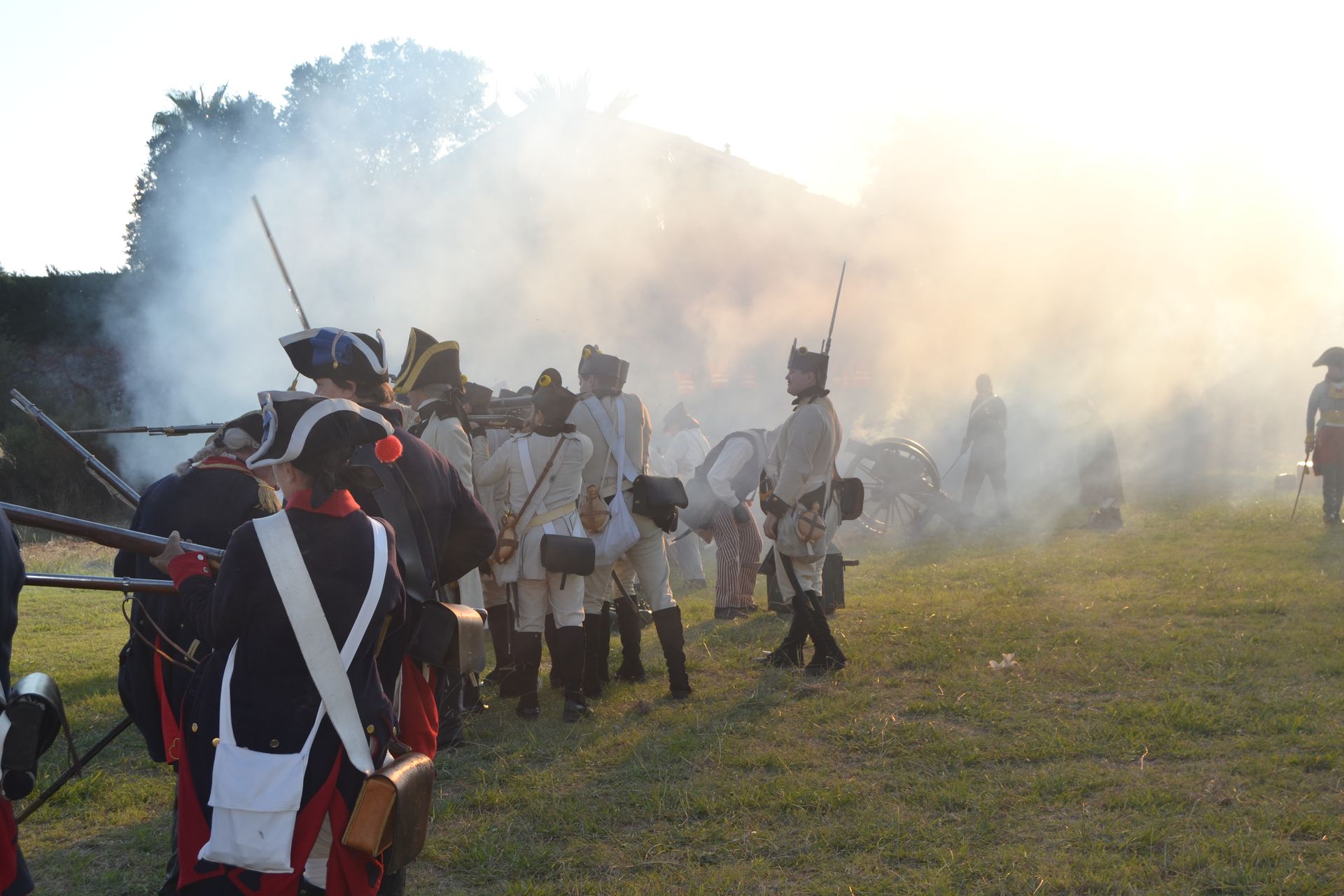
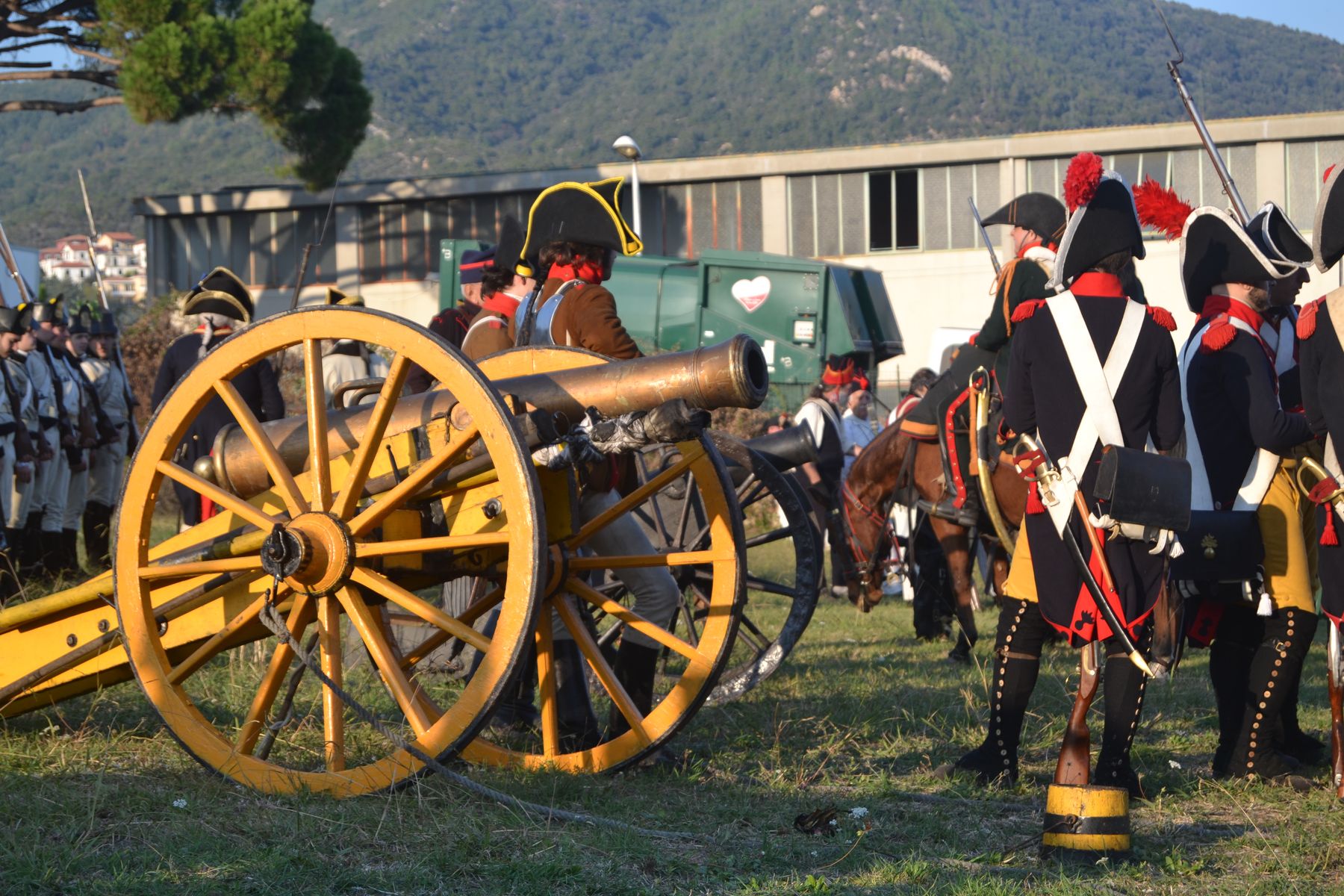
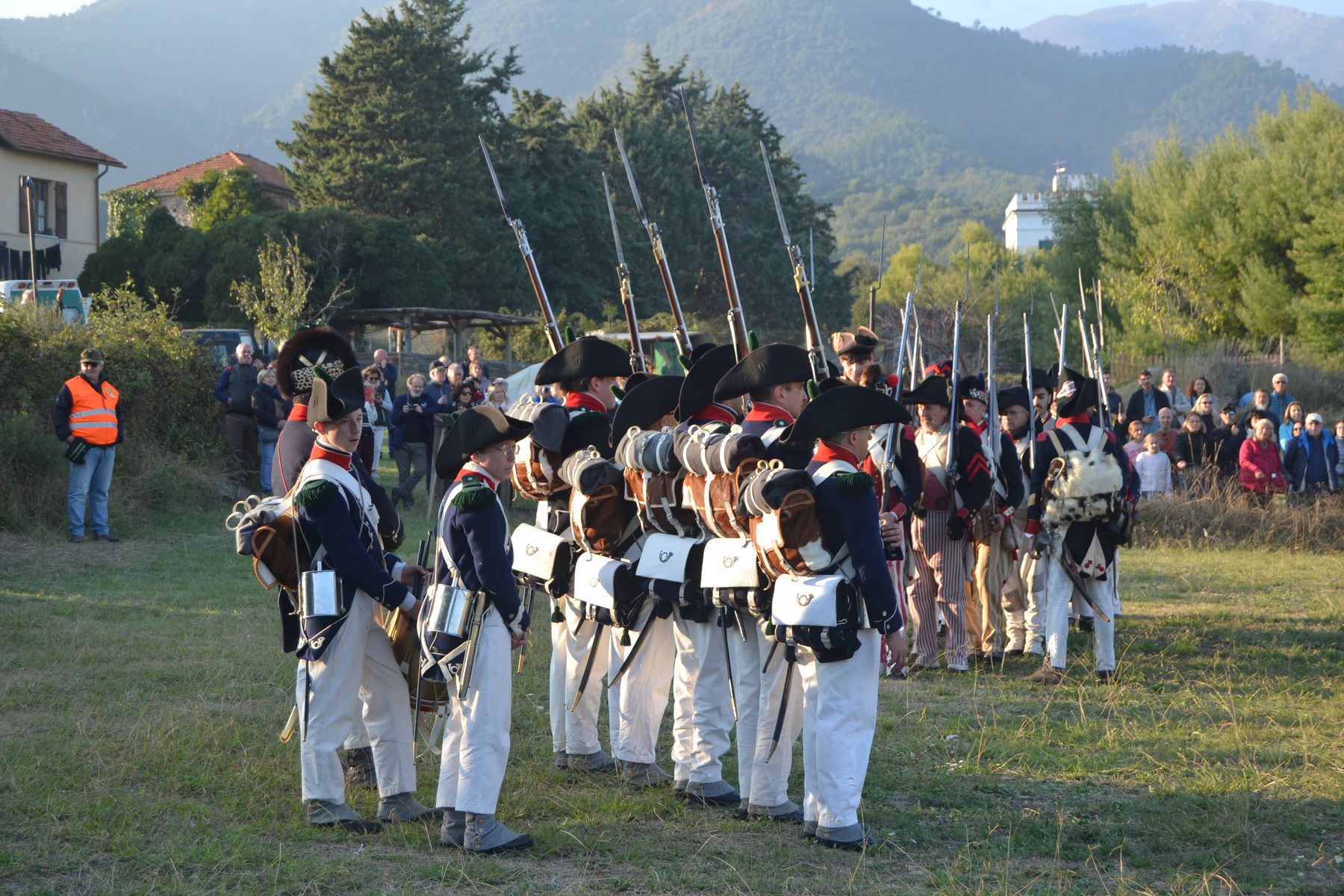
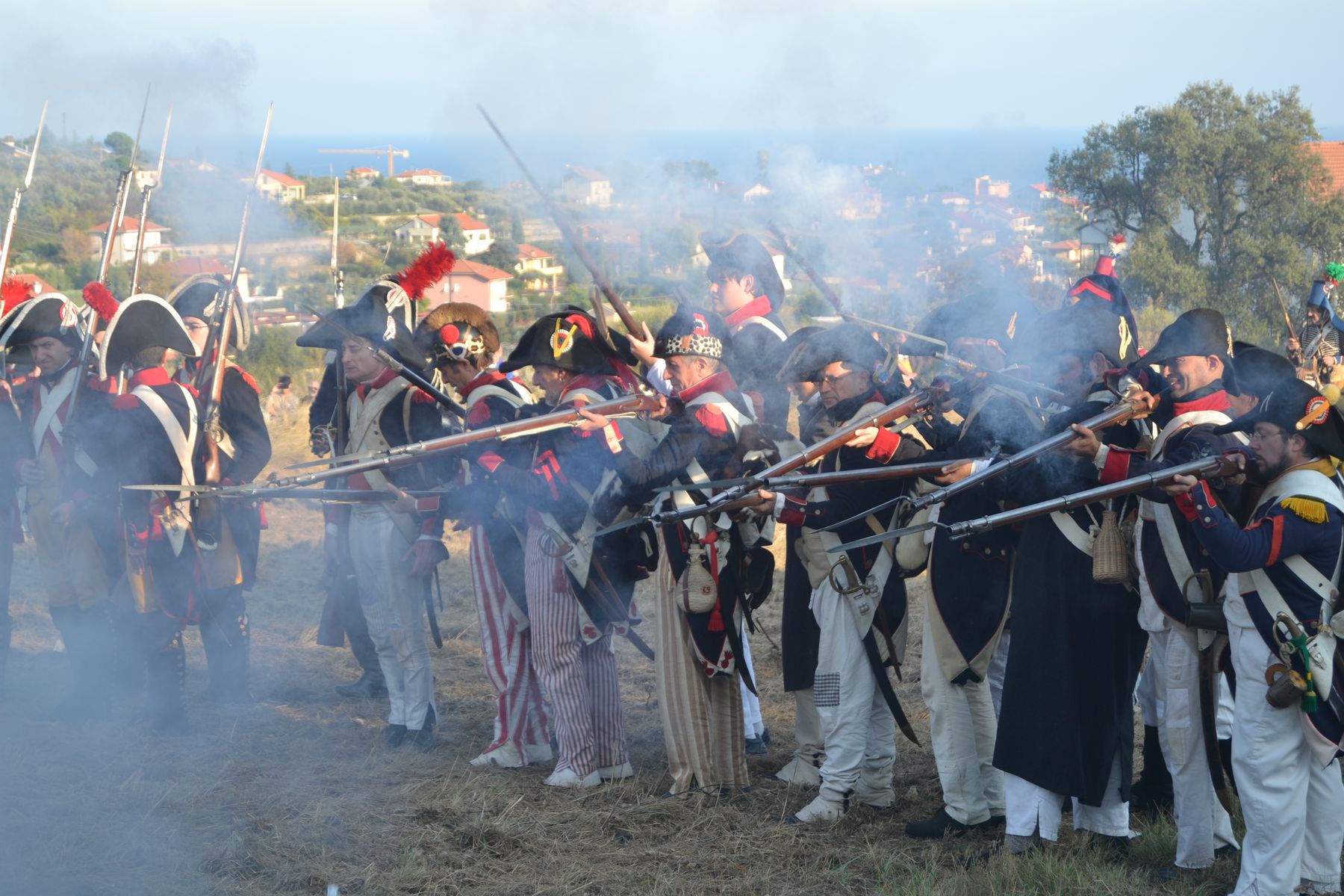
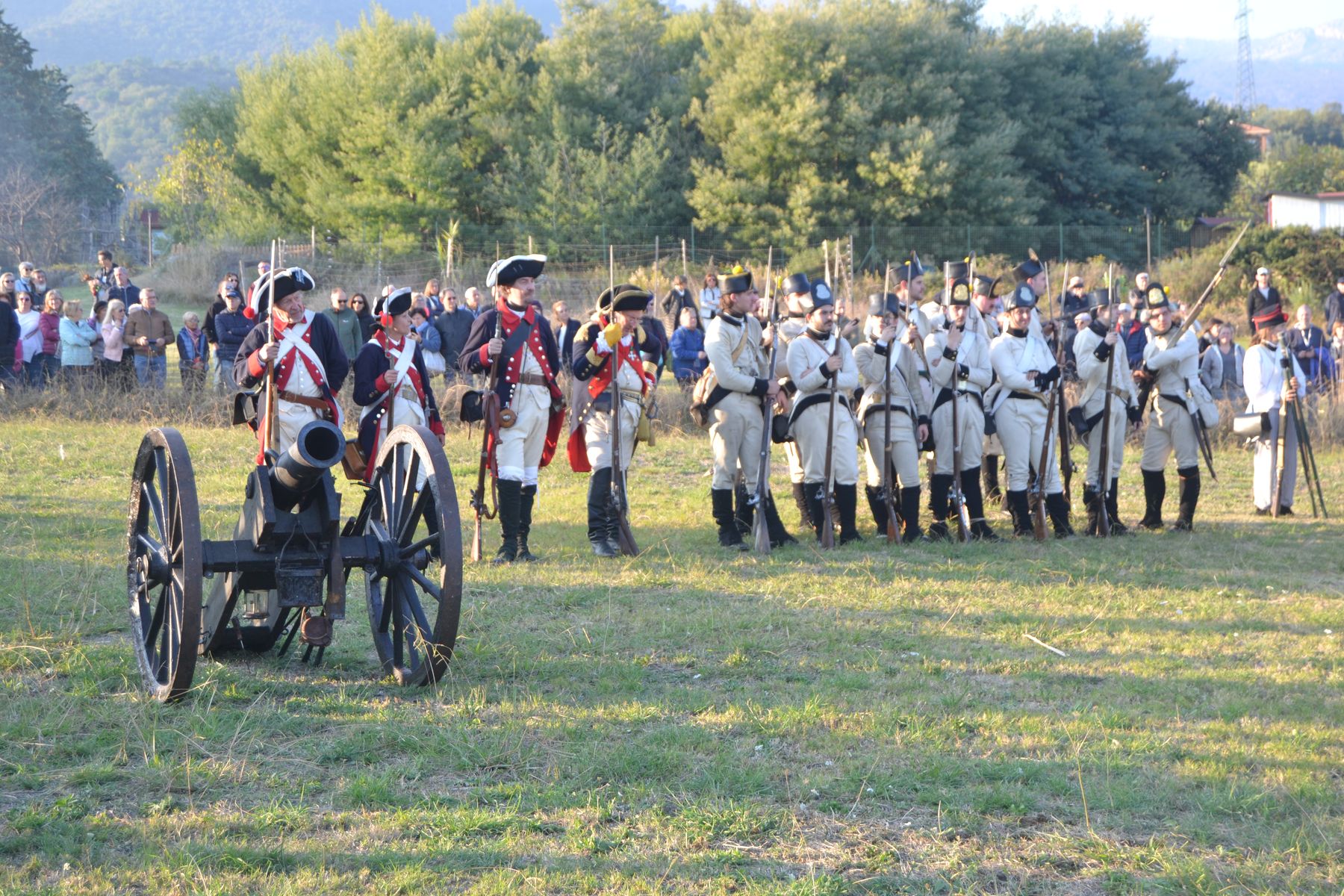
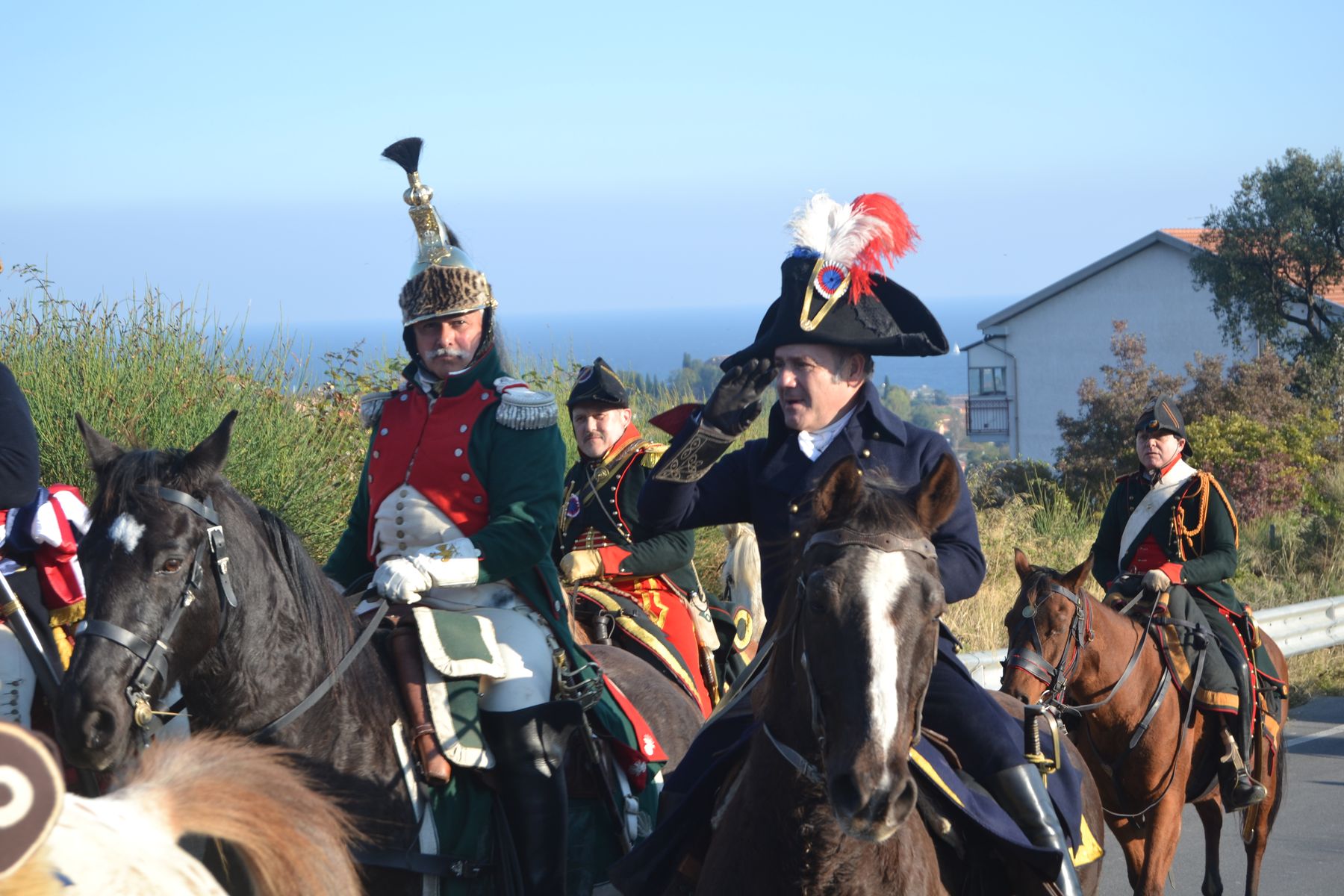
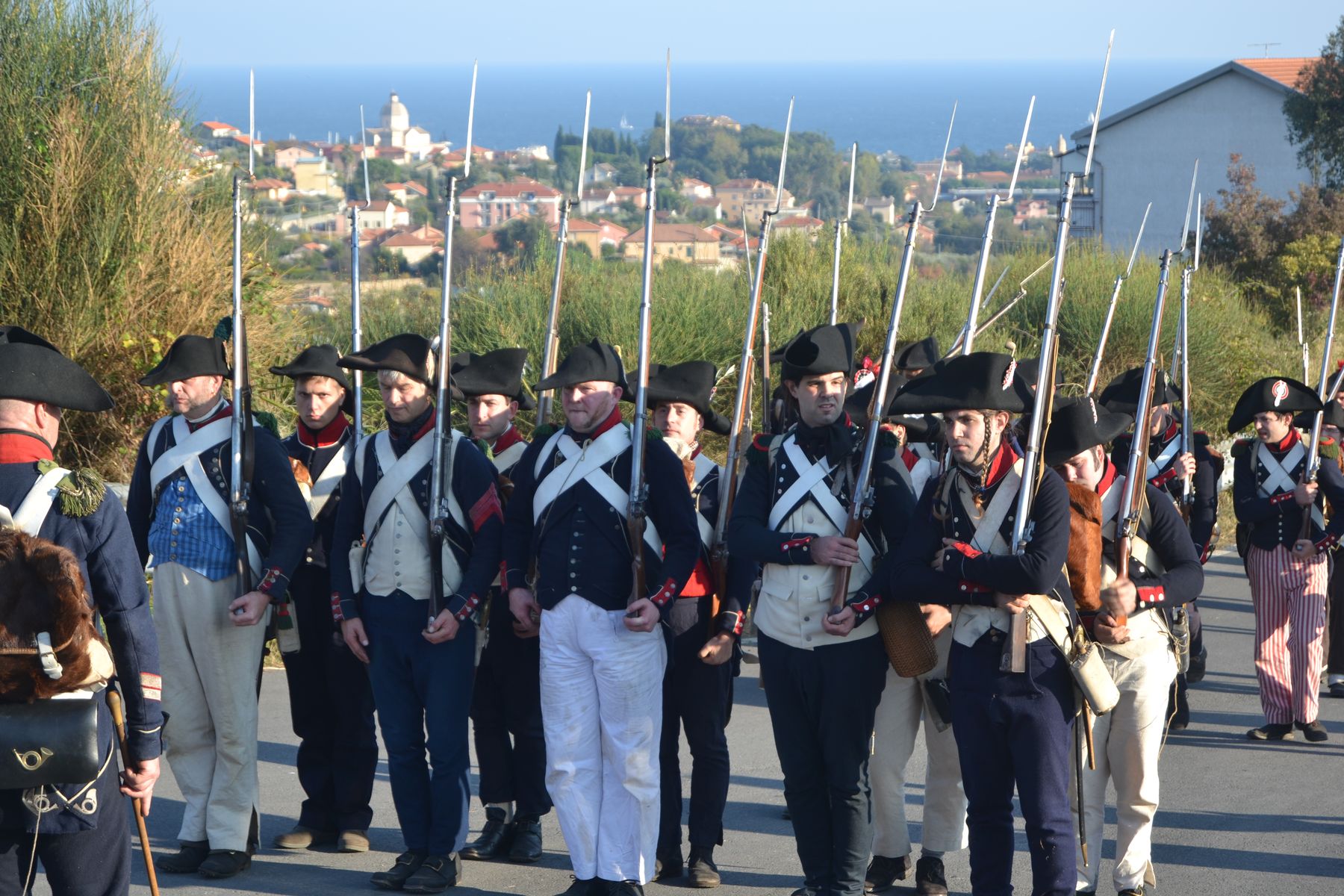
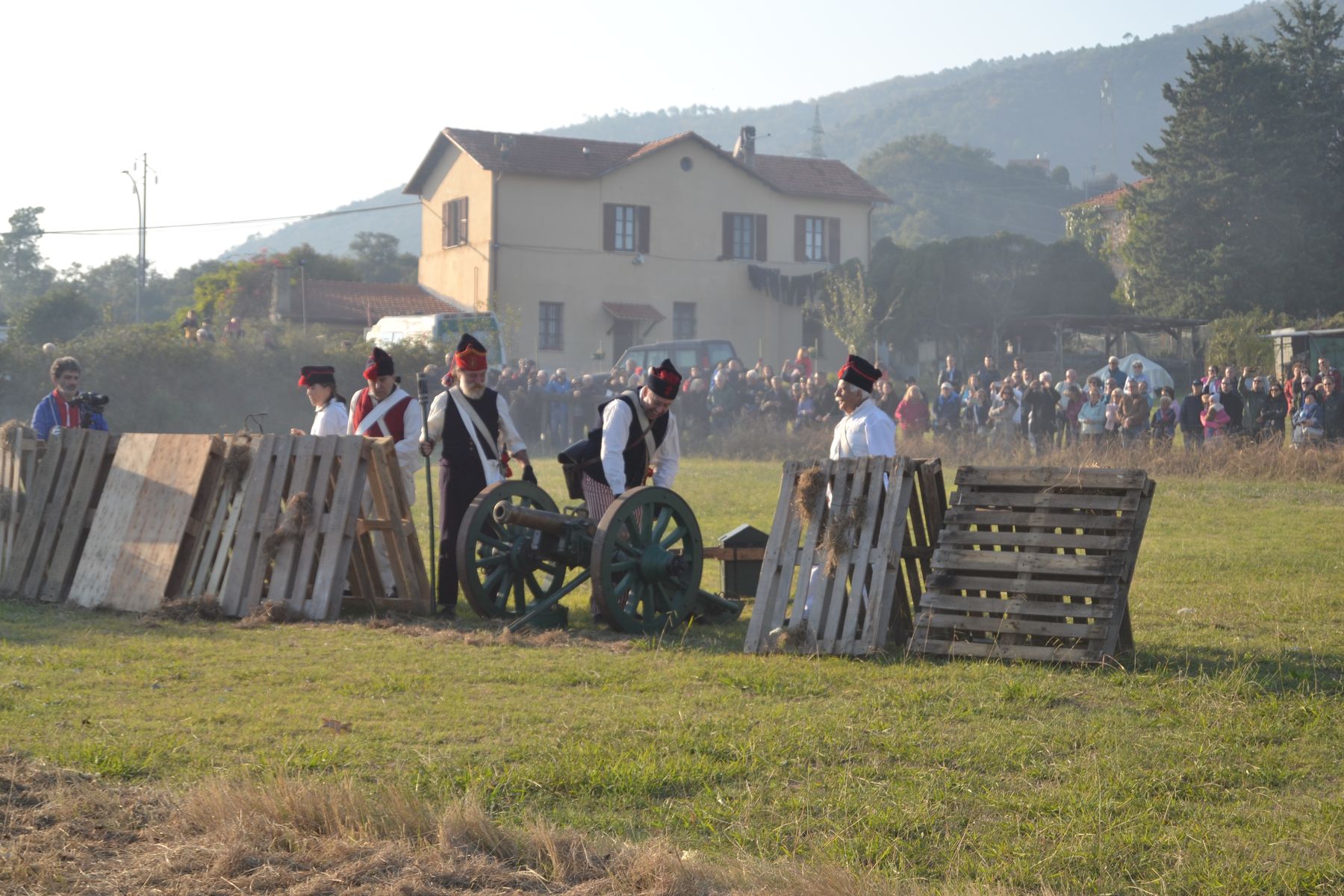
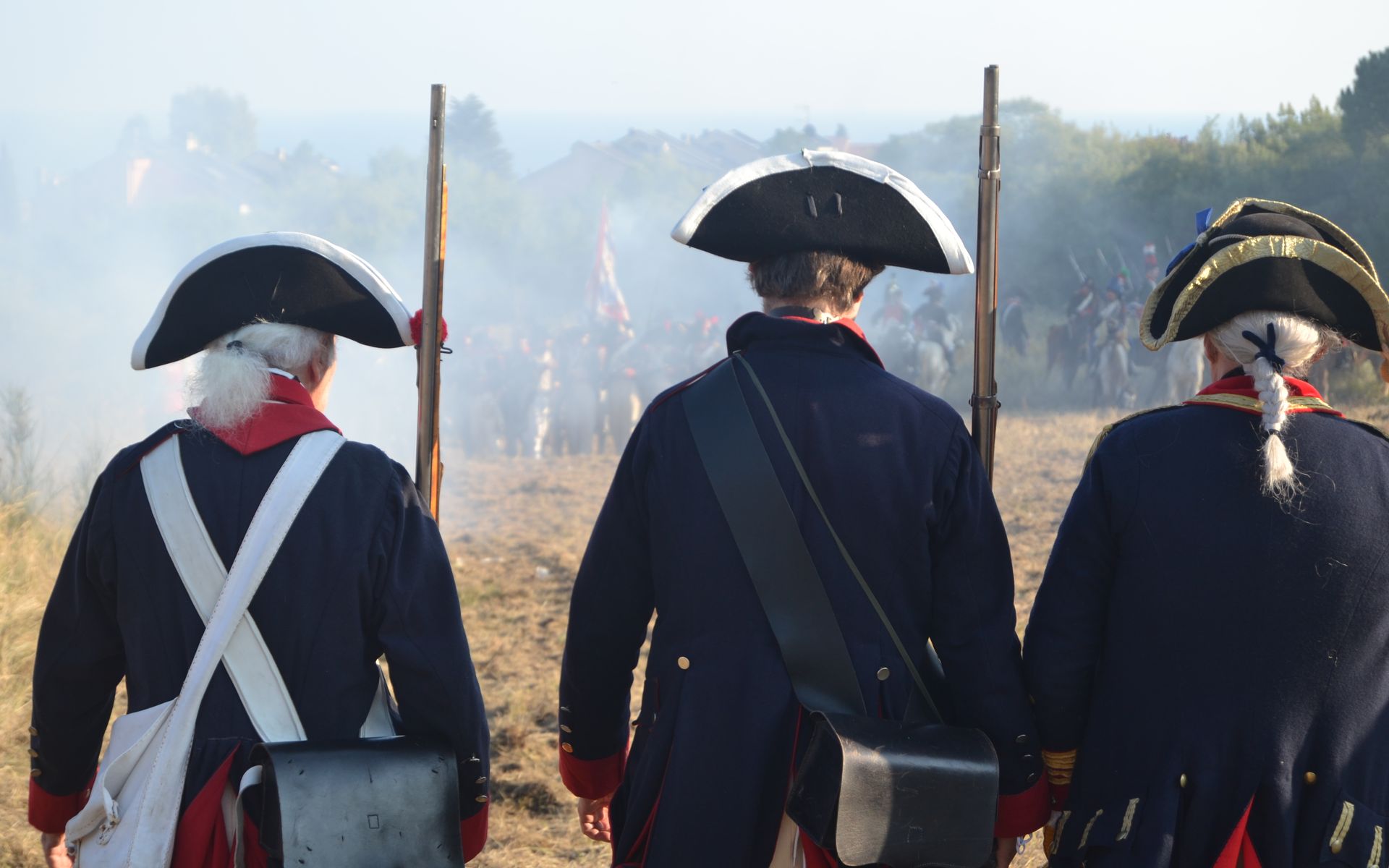
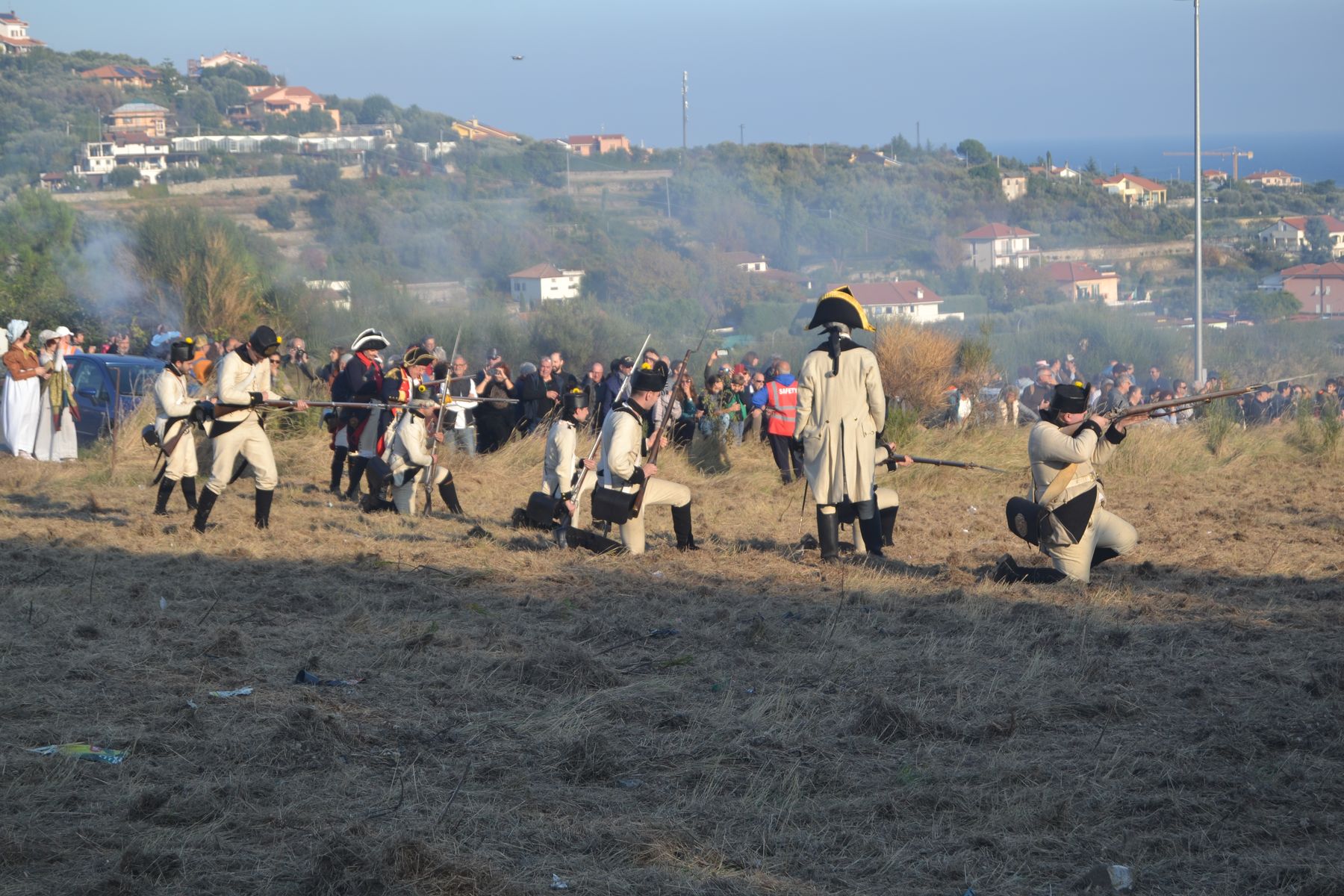
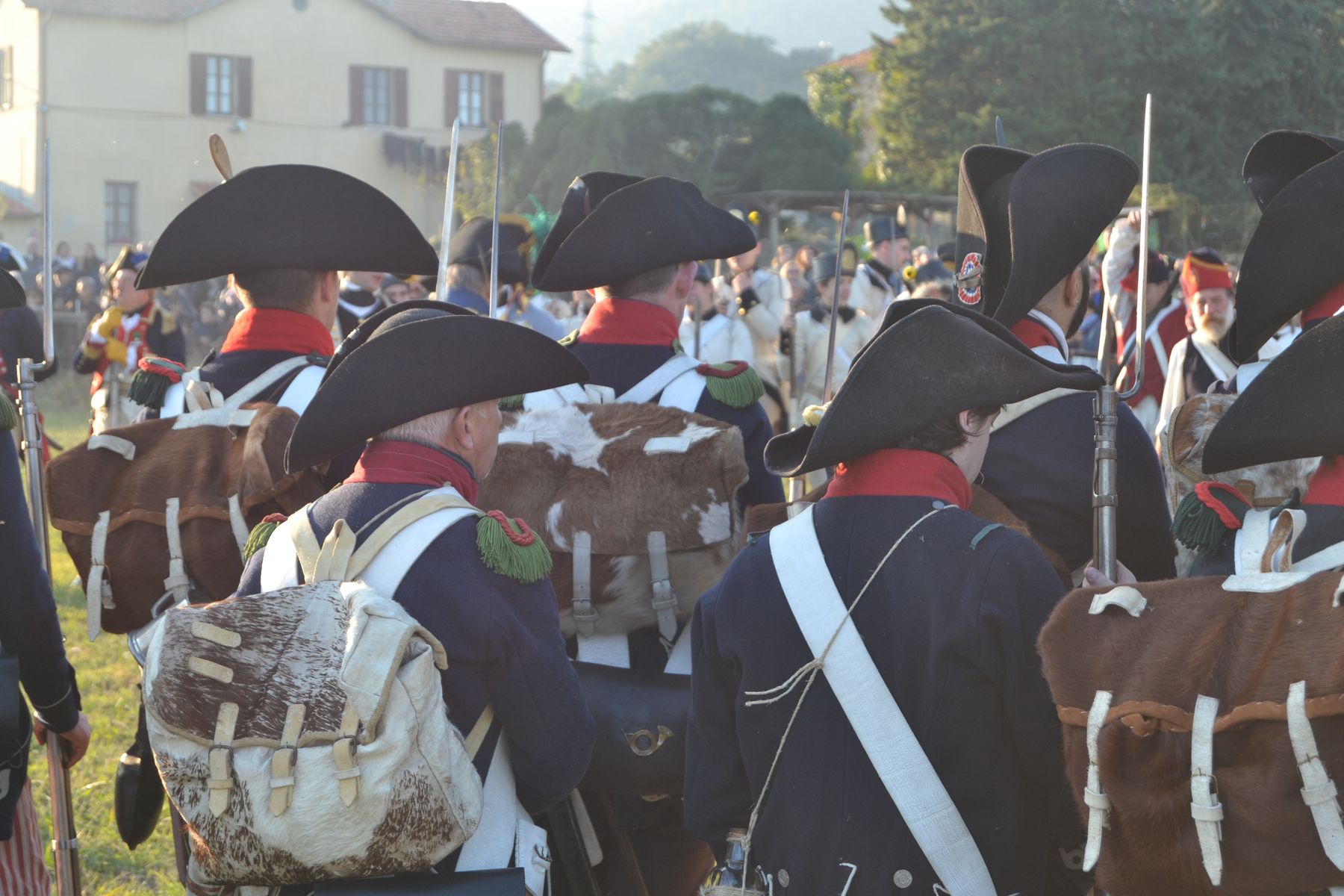
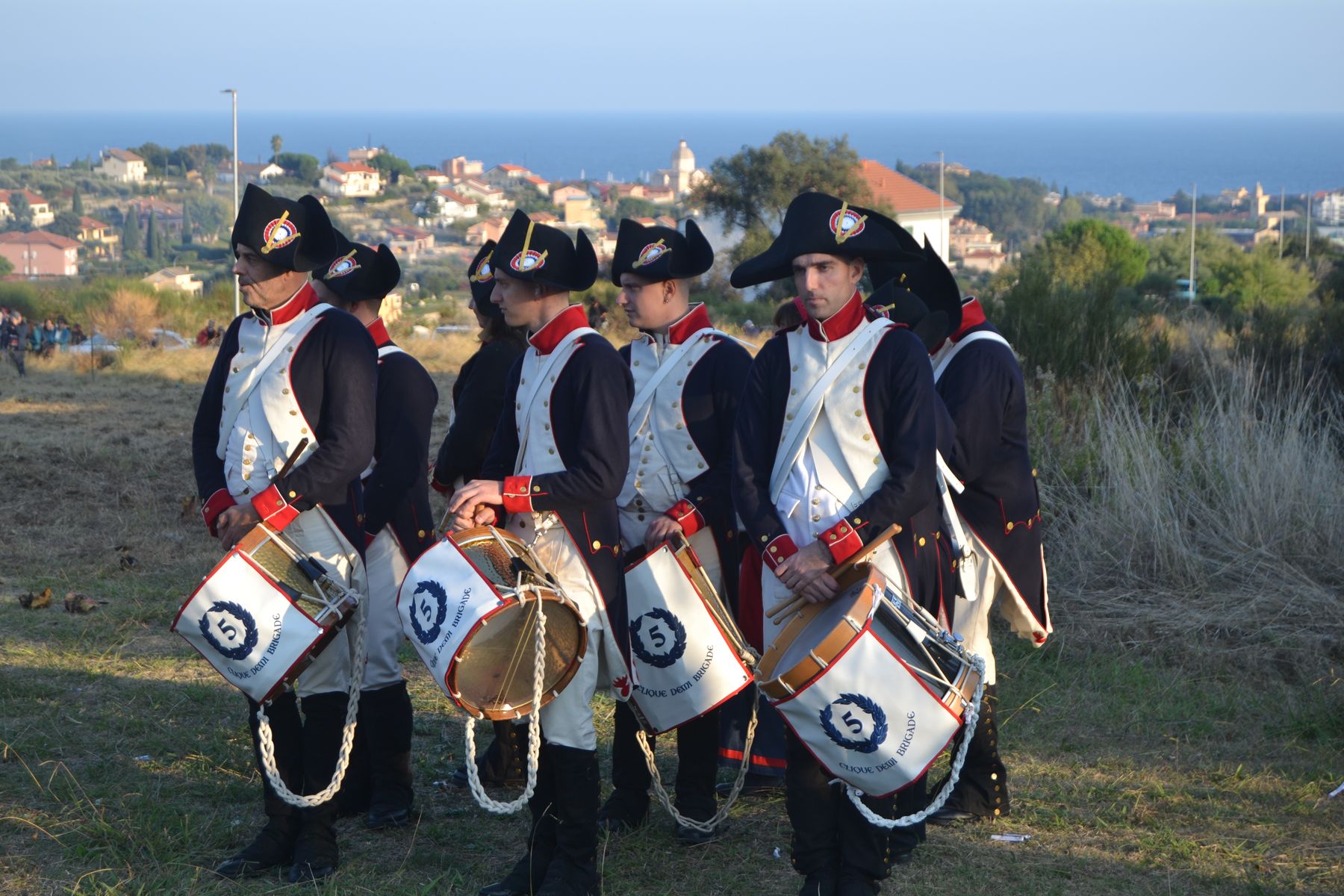
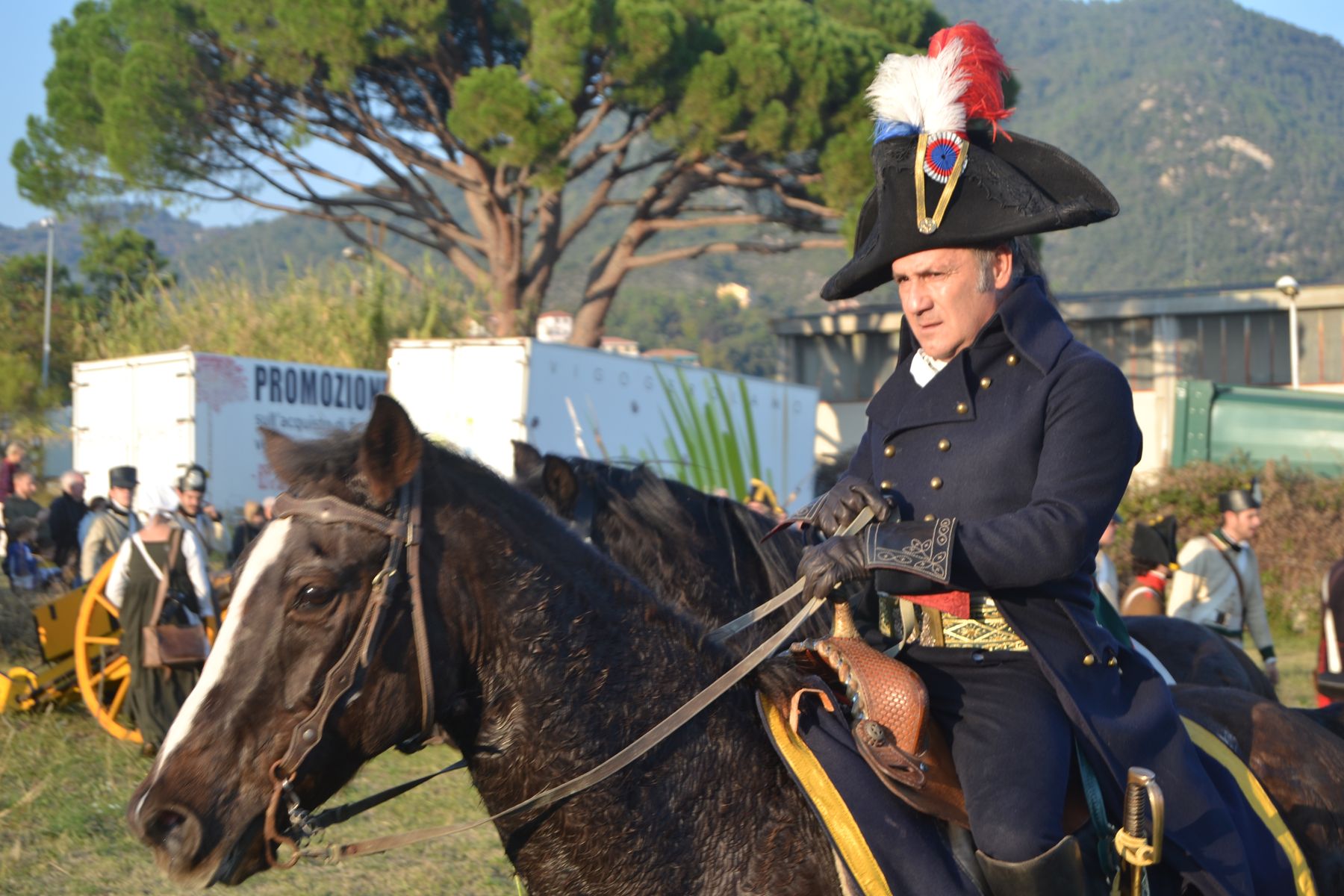
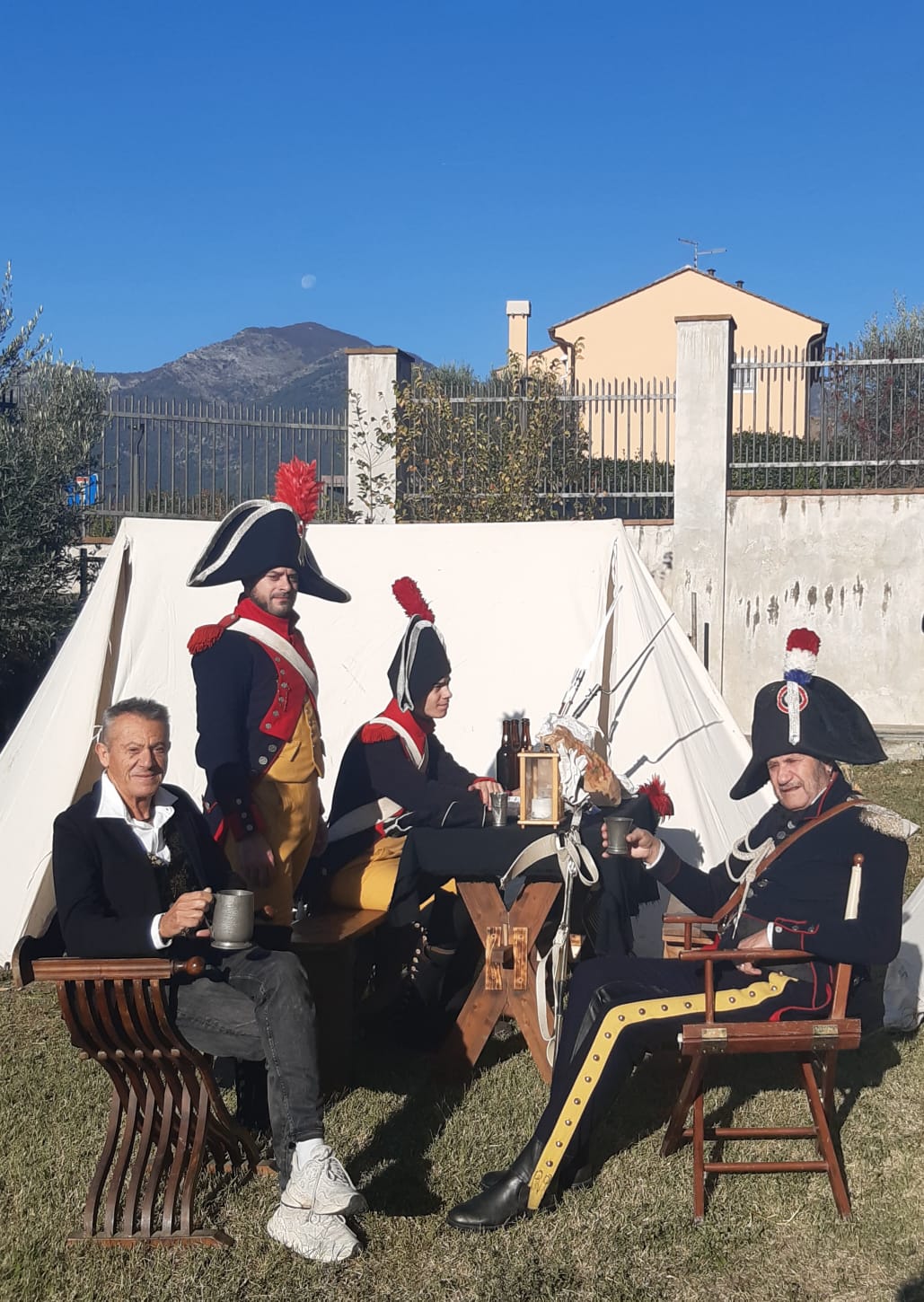
From Nov. 7 to 9, Europe's best re-enactment units reconstructed the clashes between French and Austro-Piedmontese troops that took place on Nov. 23 and 24, 1795. All with the use of period clothing, weapons and equipment.
This year's reenactment reconstructed the activities of troops under the orders of French General Pierre Augereau, who between Nov. 23 from Cape Santo Spirito and Borghetto (via Pineland) moved toward Loano and successfully attacked the Austro-Piedmontese left wing, commanded by Eugène-Guillaume Argenteau. The French succeeded in entering Loano, penetrating the city center and the beach. The fighting ended late in the evening and saw the French quartered at Mount Carmel and at the convent of St. Augustine, while the Austro-Piedmontese abandoned Loano, moving toward Verzi and the Finale area.
The event was attended by about 250 re-enactors from Italy, England, Belgium, France, Germany and Malta, as well as a dozen horses and four cannons (two per deployment). The three-day program involved not only the setting up of military encampments (with period tents and equipment) at which the re-enactors will stay living just like 18th-century soldiers, but also the holding of military activities and demonstrations such as patrols, changing of the guard and military “ranches.” A highlight was the two battles: the first was held Saturday, November 8 at 3 p.m. in an adjacent plot of land Villa Azzurra (with access for the public from Via Degli Alpini); the second was held Sunday, November 9 at 10:30 a.m. on the waterfront, next to the Virginia and Lampara Baths.
The event was enhanced by two very important lectures, edited by Alessandro Garulla, which were held respectively Friday and Saturday at 9 p.m. in the council chamber of the Doria Palace. In the first, the historian analyzed the battle between French warships commanded by Admiral Pierre Martin and British and Neapolitan warships commanded by Rear Admiral William Hotham Occurred off the coast of Cape Noli in March 1795, a most important event that then determined the course of the subsequent battle of Loano. In the second conference, on the other hand, the battle of Loano was analyzed in light of unpublished documents which help to redefine more precisely its contours and course, with particular attention to the role Napoleon Bonaparte played: sent to command troops in Italy almost “as a punishment,” the results he achieved even at Loano constituted a real turning point for his military and political career. Finally, an exhibition of original Napoleonic objects was set up in Via Doria.
The French camp was set up in the Mount Carmel area, while the Austrian camp was set up in the Prince's Garden area; the cavalry camp, on the other hand, found space near PalaGarassini.
National Historic Dress Day
The historical reenactment of Loano this year was held in conjunction with the National Historic Dress Day Nov. 11. The initiative, introduced by the new legislation on events in historical dress contained in Law 59/2025, is aimed at enhancing Italian traditions, history, social and territorial fabric, placing itself within a broader strategy with which the government intends to promote and protect a heritage of great value, unique in the world. In addition to entertaining and educating, historical dress events increase the competitiveness of cultural tourism, a supporting asset of the entire industry and a vector of deseasonalization, giving luster to historical dresses as peculiar and typical expression of Made in Italy.